
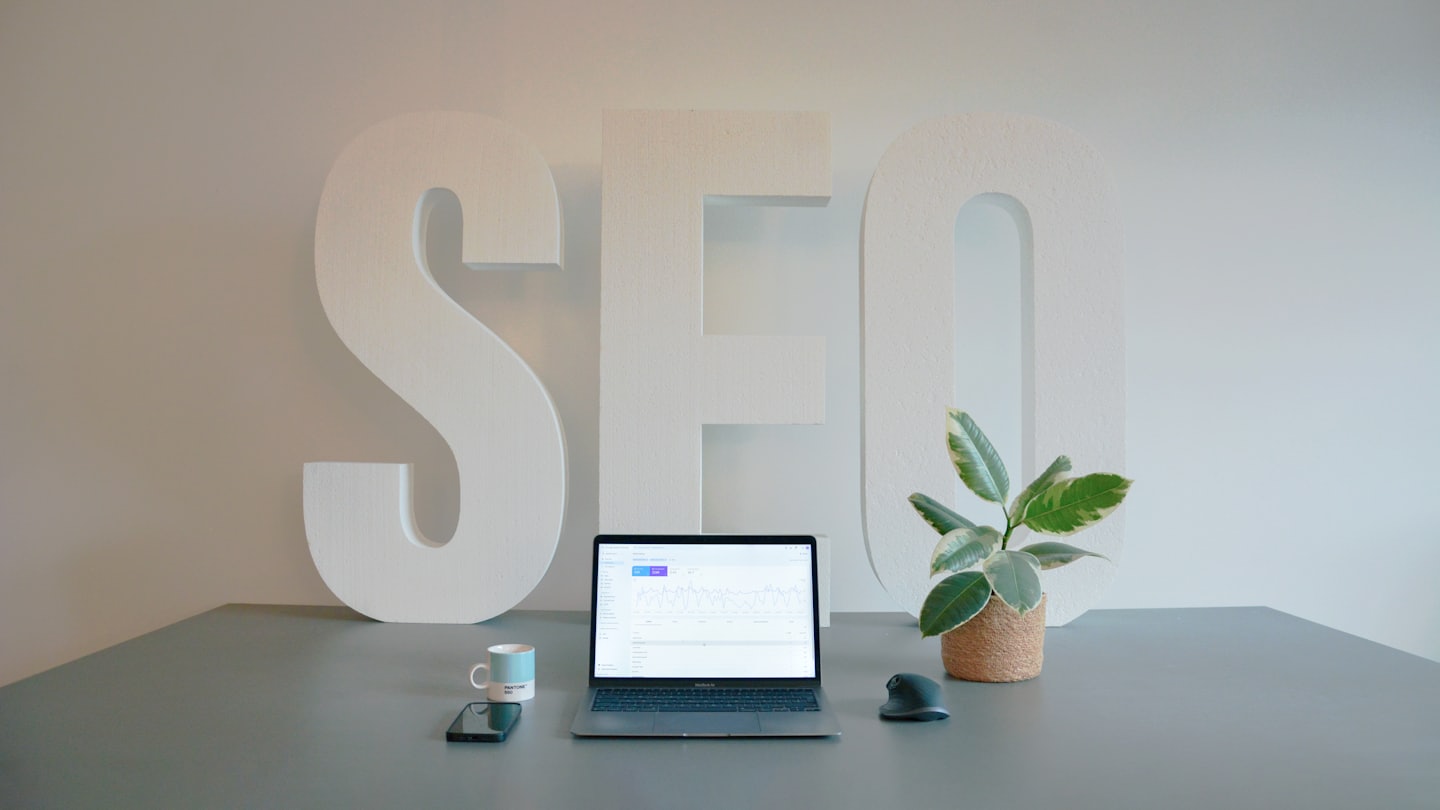
Search engine optimization (SEO) is no longer about shortcuts or keyword stuffing—it’s about strategy, consistency, and delivering real value to users. To rank on the Google index page (and stay there), websites must combine smart keyword research, high-quality link building, and continuous optimization. This guide breaks down how to do exactly that, with a focus on long-term, sustainable SEO growth.
Keyword Research and Analysis: Building the Foundation of SEO
Effective SEO begins with keyword research. Using tools such as Google Keyword Planner, Ahrefs, or SEMrush, you can identify high-traffic keywords within your niche while uncovering opportunities your competitors may be missing. While broad keywords generate volume, long-tail keywords are essential for precise targeting and lower competition.
Long-tail keywords typically reflect stronger user intent, making them more likely to convert. For example, instead of targeting a broad term like SEO, a more effective option would be SEO strategies for small businesses or how to improve website click-through rate. These phrases attract qualified users who are actively searching for solutions.
In addition to keyword discovery, analyzing competitors’ backlink profiles is a critical step. By identifying where top-ranking competitors earn their links, you can uncover link-building opportunities through guest posting, partnerships, or content outreach. Keyword research and backlink analysis together create a roadmap for outperforming competitors in search results.
Quality Link Building: Earning Authority and Trust
Backlinks remain one of the strongest ranking factors in SEO—but quality matters far more than quantity. Search engines reward links from authoritative, relevant websites, while spammy or low-quality backlinks can damage rankings.
Effective link building strategies include:
- Guest posting on reputable industry websites
- Building partnerships with complementary brands
- Publishing high-value, shareable content that naturally attracts links
Diversity is also key. A healthy backlink profile includes links from blogs, news sites, directories, and educational resources. Avoid link farms or paid backlink schemes, as these often trigger penalties. When done correctly, link building signals credibility, improves domain authority, and drives referral traffic.
On-Page SEO Best Practices for Higher Rankings
On-page optimization ensures search engines can easily understand and rank your content. Every page should follow SEO best practices while prioritizing user experience.
Key on-page SEO elements include:
- Optimized page titles and meta descriptions using target keywords
- Header tags (H1, H2, H3) to organize content clearly
- Descriptive, keyword-rich URLs that reflect page content
- Internal linking to connect related pages and improve crawlability
Keywords should appear naturally throughout the content, including in headings and early paragraphs, without overuse. Avoid keyword stuffing—search engines now prioritize clarity and relevance over repetition.
Technical SEO: Speed, Mobile, and Accessibility
Technical SEO plays a major role in both rankings and usability. Websites that load slowly or perform poorly on mobile devices lose traffic and rankings.
To improve technical performance:
- Optimize images and enable browser caching to improve website loading speed
- Ensure your site is mobile-friendly and responsive across devices
- Add alt text to images for accessibility and SEO
- Maintain a clear site structure with easy navigation
These improvements reduce bounce rates, increase engagement, and send positive signals to search engines.
Continuous Monitoring and Optimization
SEO is not a one-time task—it’s an ongoing process. Regularly monitor your performance using tools like Google Analytics, Google Search Console, and Ahrefs. These platforms help track keyword rankings, traffic sources, and backlink health.
Ongoing optimization includes:
- Removing or disavowing harmful backlinks
- Updating and refreshing older content to maintain relevance
- Publishing fresh, original content consistently
- Refining keyword strategies based on performance data
Search engines favor websites that evolve with user behavior and algorithm updates.
Amplifying SEO Through Content and Social Media
High-quality content fuels every successful SEO strategy. Consistently publishing original, valuable content encourages backlinks, improves dwell time, and strengthens topical authority. Complement this with social media promotion to expand reach, drive engagement, and increase the likelihood of natural link acquisition.
Social signals might not have a direct influence on search engine rankings, but they significantly enhance your online visibility. This increased visibility attracts a larger audience, encourages more shares across various platforms, and ultimately leads to a greater number of potential backlinks pointing to your website.
Final Thoughts: Ranking on Google Is About Value, Not Tricks
Ranking on the Google index page requires more than technical compliance—it requires trust. By focusing on keyword research, quality link building, on-page optimization, and continuous monitoring, you position your website for sustainable growth.
When SEO is executed with user experience at the core, rankings become a natural result. The goal isn’t just traffic—it’s relevant traffic that converts, builds authority, and supports long-term success.
Want help implementing this strategy?
ReliableFranz specializes in SEO, keyword research, GEO search optimization, and click-through rate improvement—built to rank and built to last.
For more information, check out this link: https://reliablefranz.com/digital-marketing-strategies-that-rank-on-google-and-turn-traffic-into-high-converting-revenue/
Leave a Reply